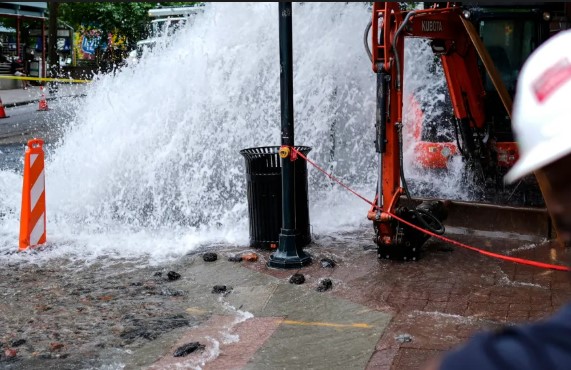
When an excavator bucket punctures a buried utility line, the immediate aftermath is loud, dramatic, and stressful. There might be a geyser of water, a hiss of high-pressure gas, or a sudden blackout across the neighborhood.
But once the dust settles and the emergency crews leave, a much slower, quieter disaster begins: the financial and legal fallout.
Many contractors and project owners view advanced private utility locating as an optional line-item expense—something to cut when budgets get tight. They rely strictly on public 811 services, assuming they are fully covered. This is a high-stakes gamble.
To understand the true Return on Investment (ROI) of advanced locating, you have to look past the upfront cost of the scan and analyze the staggering, multi-layered cost of a utility strike.
The Economic Iceberg: Direct vs. Indirect Costs
The bill from the utility company to fix a broken line is just the tip of the iceberg. The real damage to a project's bottom line comes from the indirect costs that ripple outward from a strike.
Direct Costs (The Visible Top)
Utility Repair Bills: Paying the utility asset owner for emergency dispatch, materials, and labor to fix the line.
Locating Fees for Re-marking: Bringing crews back out to re-map the area after the chaos.
Indirect Costs (The Hidden Bottom)
Idle Crews and Equipment: When a line is struck, the entire job site often goes into shutdown. You are still paying for rented excavators, cranes, and idle labor while waiting for the all-clear.
Project Delay Penalties: Many major contracts include liquidated damages—fines for every day a project runs past its deadline. A major utility strike can delay a project by weeks.
Insurance Premium Spikes: Your Experience Modification Rate (EMR) increases after an incident, driving up your insurance premiums for years to come and making it harder to bid on public contracts.
The Cost Ratio: Industry data from the Common Ground Alliance (CGA) consistently shows that the indirect costs of a utility strike are roughly 29 times higher than the direct cost of the physical repair.
The Legal Nightmare: Liability and Regulatory Fallout
Relying solely on public 811 locators does not absolve a contractor of liability. Public locators only mark utilities owned by public entities up to the meter or property line. Everything else on a commercial campus, industrial site, or private property is considered a "private utility"—and hitting it lands squarely on the contractor's shoulders.
When a strike occurs on private property without advanced private locating, the legal consequences can be devastating:
OSHA Citations: Under standard construction regulations, employers are required to determine the location of underground utilities before opening an excavation. Failing to accurately verify what is below can result in "Willful" or "Serious" OSHA violations, carrying heavy fines.
Negligence Lawsuits: If a strike cuts power to a nearby hospital, data center, or factory, those businesses can sue for lost revenue, data corruption, or business interruption.
Breach of Contract: Project owners can terminate contracts if safety violations and delays accumulate, destroying a firm’s reputation.
The Ultimate ROI: The Safety and Human Cost
While numbers and lawsuits are critical business metrics, the most profound ROI of advanced private utility locating is measured in human lives.
Striking a high-voltage electrical line or a high-pressure gas main isn't just expensive; it is potentially fatal. The safety ROI is simple: Advanced locating ensures every worker on your site goes home at the end of the shift.
The Safety Breakdown
| Utility Type | Immediate Strike Hazard | Long-Term Project Consequence |
| High-Voltage Electric | Arc flash, electrocution, fatal burns | Immediate OSHA investigation, site shutdown |
| Natural Gas | Explosion, fire, asphyxiation | Mass evacuations, severe community disruption |
| Fiber-Optic Trunk | Zero physical injury (usually) | Cutting emergency 911 communications, millions in economic damage |
| Water / Sewer | Trench collapse, drowning hazards | Soil erosion, environmental contamination fines |
Calculating the ROI: Advanced Locating vs. The Alternative
Let's look at the math from a risk-management perspective.
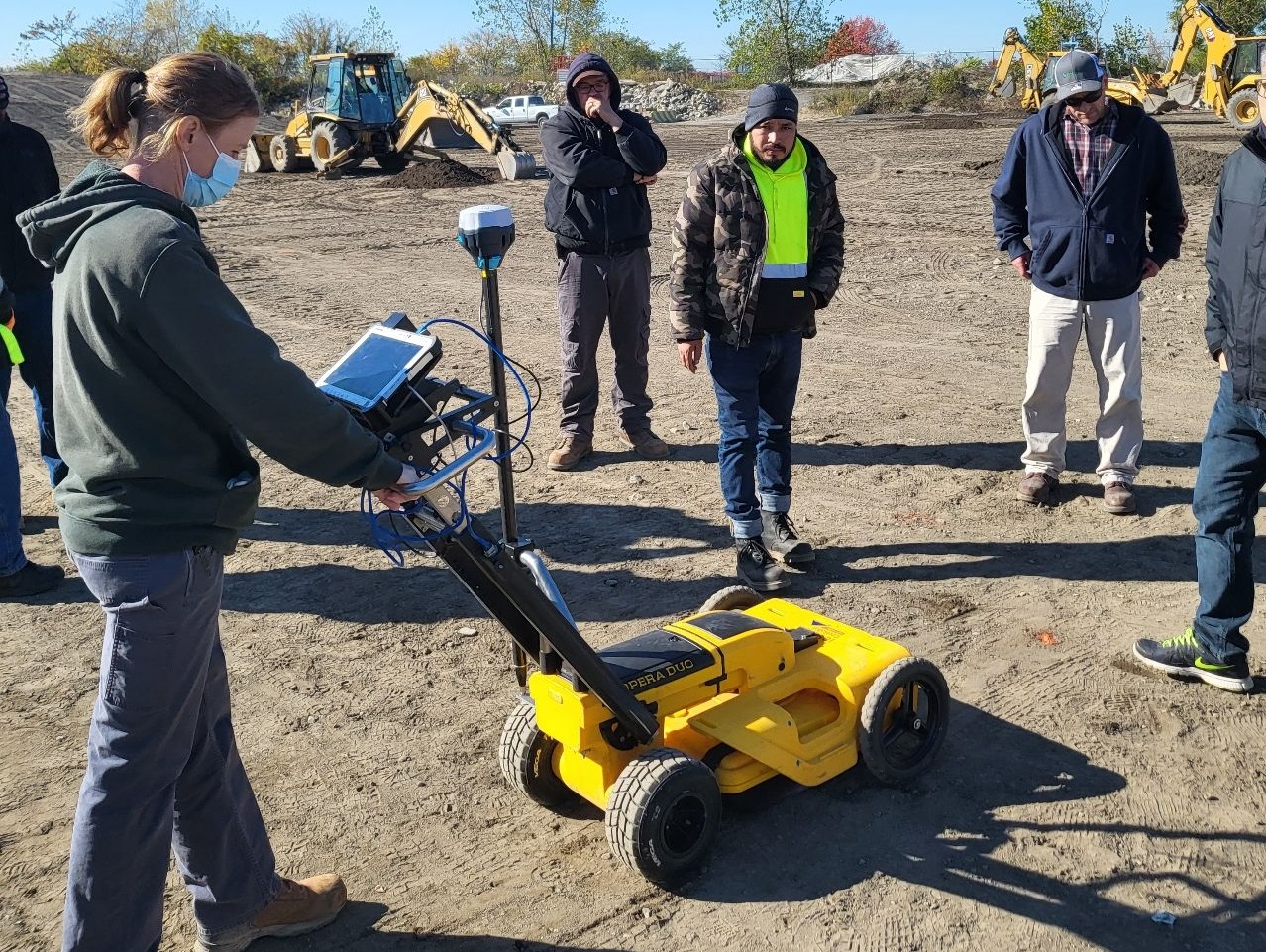
An advanced private utility locating sweep on a major commercial site might cost a few thousand dollars. It utilizes multi-frequency electromagnetic locators, Ground Penetrating Radar (GPR), and experienced technicians to map all utilities—public and private—giving the team absolute clarity.
Compare that to the average cost of a significant utility strike: by investing a fraction of a percent of the total project budget into advanced locating before breaking ground, a firm essentially buys a massive insurance policy against project failure.
Final Thoughts
In modern construction, guessing what is underground is no longer an acceptable business practice. Advanced private utility locating isn't a cost center; it is a profit protector. It keeps projects on schedule, keeps companies out of court, and keeps crews safe on the job.
Before your next project breaks ground, ask yourself: Can we afford the true cost of a strike?