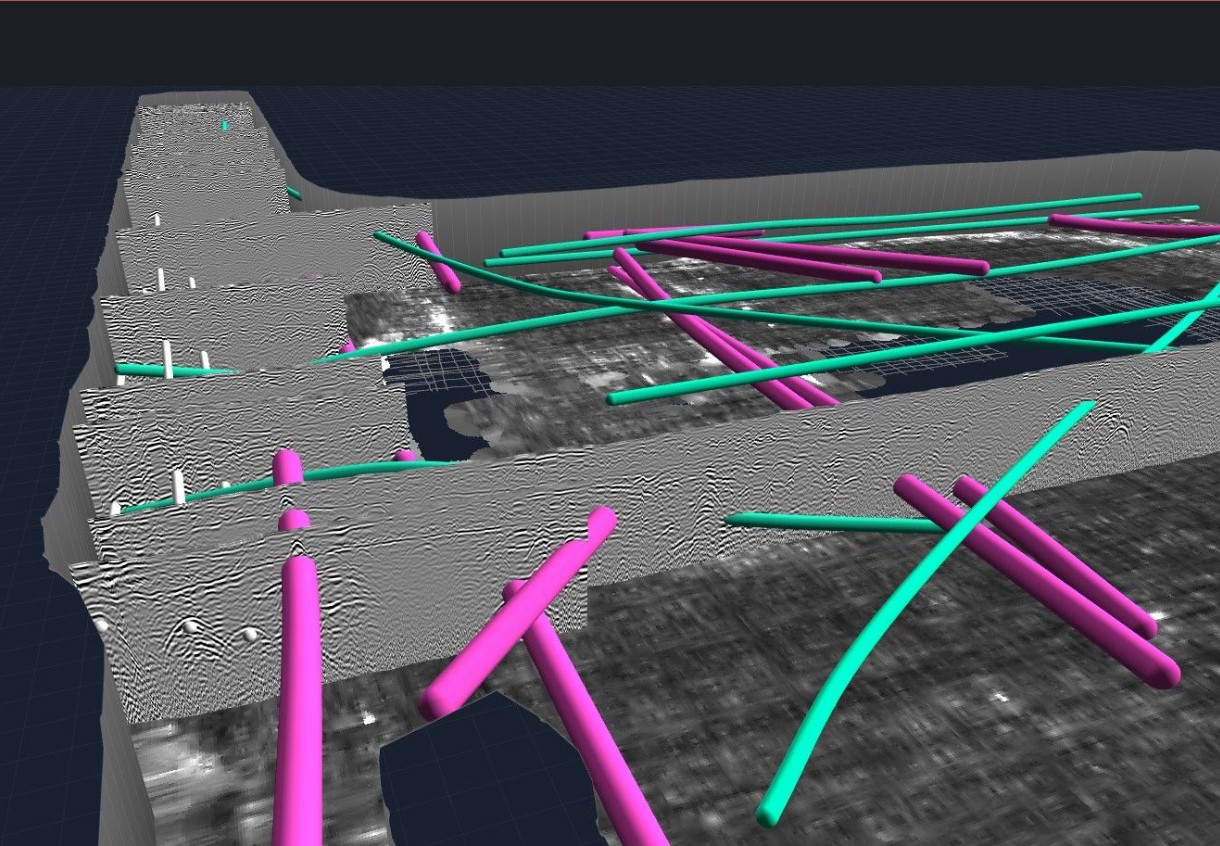
There is a multi-billion-dollar maze right beneath our feet. Miles of fiber-optic cables, high-pressure gas lines, water mains, and legacy infrastructure crisscross under our streets. Historically, hitting one of these buried lines during construction was often written off as "the cost of doing business."
Today, that excuse doesn’t fly.
With projects getting more complex and budgets tighter, engineering firms are turning to Subsurface Utility Engineering (SUE). Specifically, demanding Quality Level B (QL-B) and Quality Level A (QL-A) data before a single excavator tracks onto a site has shifted from a best practice to an absolute requirement.
Here is a look at why the engineering world is drawing a line in the sand when it comes to underground mapping.
The SUE Spectrum: A Quick Refresher
To understand why Quality Levels A and B are the stars of the show, we have to look at the standard framework defined by the American Society of Civil Engineers (ASCE). SUE is divided into four quality levels, ranging from "educated guess" to "absolute certainty":
Quality Level D (QL-D): Traditional records research. This involves gathering existing utility maps, permits, and verbal recollections. It’s notorious for being outdated or inaccurate.
Quality Level C (QL-C): Surveying visible above-ground features (like manholes, valve boxes, and utility poles) and correlating them with QL-D records.
Quality Level B (QL-B): Designation. Utilizing surface geophysical methods (like Ground Penetrating Radar and electromagnetic locators) to mark the ground surface showing the position (but not depth) of utilities.
Quality Level A (QL-A): Locating. The highest level of accuracy. It involves non-destructive excavation (usually vacuum potholing) to physically expose the utility, providing precise X, Y, and Z coordinates.
Why Quality Level B is the Baseline for Design
Relying on old utility maps (QL-D) is an engineering gamble. Cities change, records get lost, and utilities aren't always buried where the paper map claims they are. This is where QL-B comes in.
By deploying surface geophysics, SUE technicians can map the underground environment without moving a single shovelful of dirt.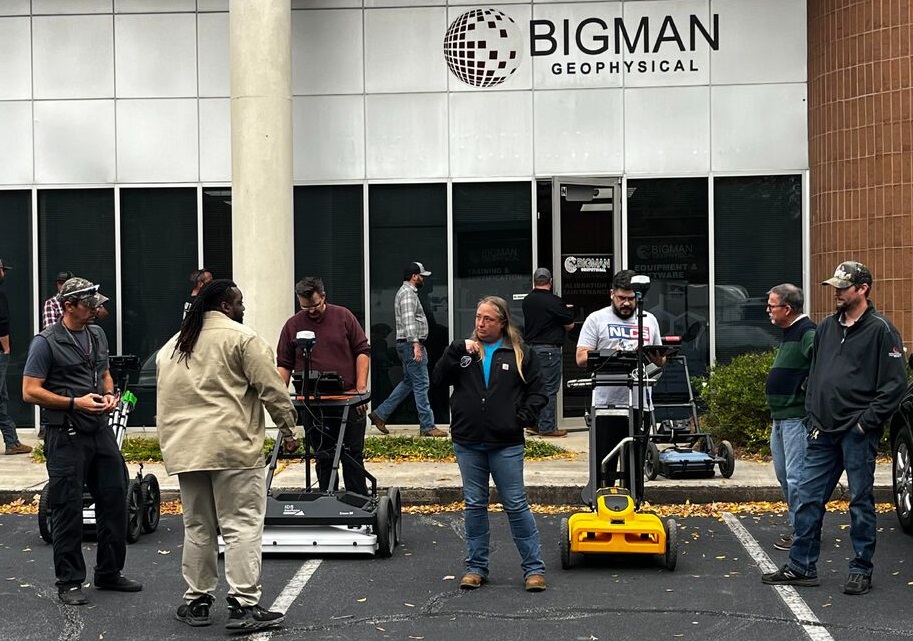
The Real-World Impact of QL-B:
Mapping the Unknown: It reveals abandoned lines, undocumented infrastructure, and lateral connections that never made it onto official city blueprints.
Informed Design: Engineers can design footprints around existing utilities rather than guessing and dealing with massive conflicts later.
Think of QL-B as an X-ray for the job site. It doesn't tell you everything, but it gives you a highly accurate map of the obstacles ahead.
Why Quality Level A is the Ultimate Insurance Policy
If QL-B gives you the horizontal layout (X and Y axes), QL-A gives you the depth (Z axis). You might know a gas line runs parallel to your new foundation, but knowing whether it is two feet down or eight feet down changes everything.
To achieve QL-A, teams use vacuum excavation. This process uses pressurized air or water to safely wash away soil, exposing the utility without damaging it.
Why QL-A is Non-Negotiable Before Breaking Ground:
Conflict Verification: If a proposed storm drain intersects with an existing water main on paper, QL-A reveals if they will actually collide in reality.
Eliminating "Utility Strikes": Striking a high-voltage line or a fiber-optic trunk can cost hundreds of thousands of dollars in repairs, fines, and downtime—not to mention the catastrophic safety risks to crews.
True 3D Modeling: As building information modeling (BIM) becomes the industry norm, engineers need precise 3D data. QL-A provides the exact depth data required for accurate digital twins.
The Bottom Line: The ROI of Knowing What’s Below
Demanding QL-A and QL-B mapping requires an upfront investment of time and money. However, study after study (including research backed by the Federal Highway Administration) shows that every $1 invested in SUE saves roughly $4.62 in avoided delays, utility relocations, and change orders.
The Equation is Simple: Spend a little now on geophysics and potholing, or spend a massive amount later on emergency repairs, legal fees, and project delays.
Modern engineering firms aren't just trying to move fast; they are trying to manage risk. By mandating SUE Quality Levels A and B before breaking ground, firms protect their budgets, their schedules, and most importantly, the lives of the crews on site.
In a world where you can’t afford to guess, SUE ensures that what is out of sight is never out of mind.